
01 / Chef selections

Chef Selections

TABLE QIRON’s chef selections are a focused view of food made for the late table: dishes considered for low light, close conversation, shared attention, and an evening that does not need to hurry. This is not a separate daytime format. It is the restaurant’s dining idea, held in the room’s after-dark atmosphere and brought into clear focus at the table.

Dining direction

Selections can meet the evening where it is: when guests are settling in, building a spread, or choosing to let the table carry on. The point is not a prescribed order, but a considered rhythm.

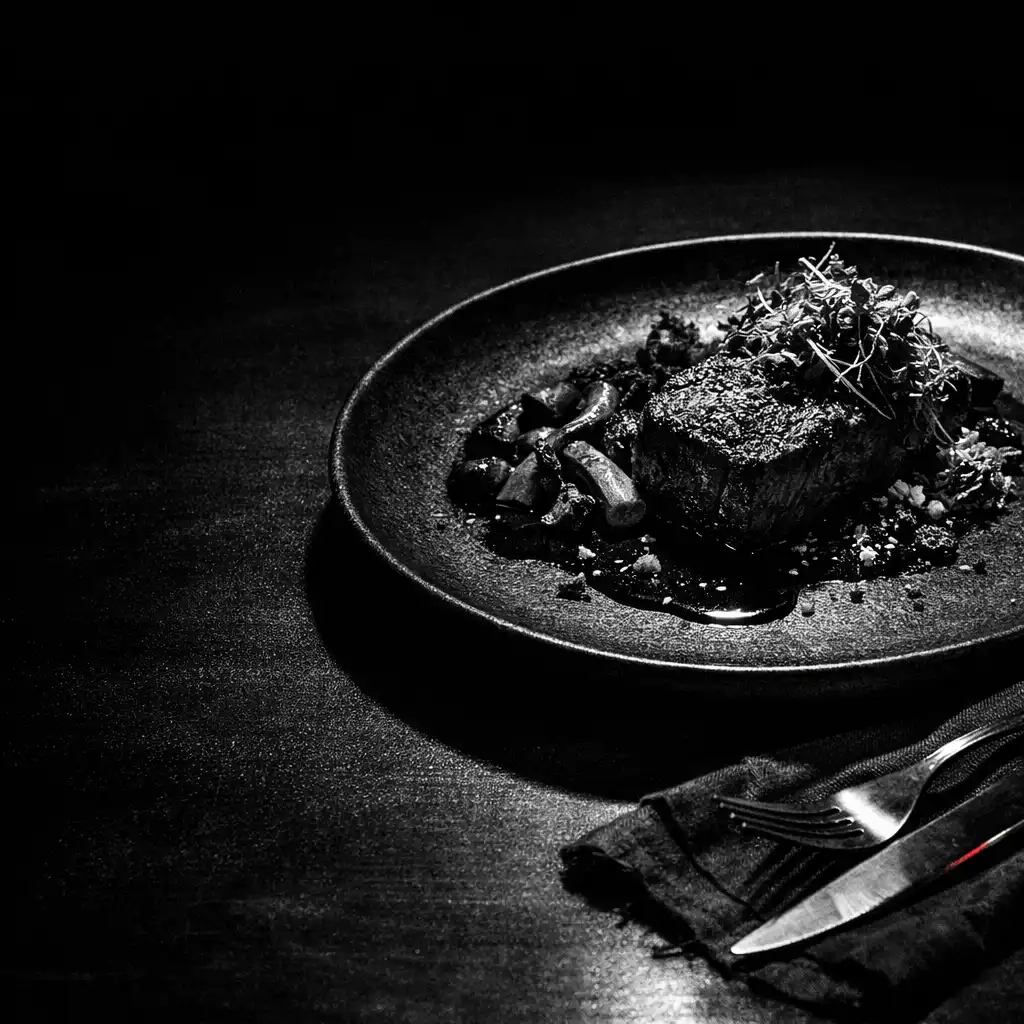
A plated dish on a dark table under focused low light.

02 / Kitchen position

Built for contrast

02.1 / Intensity with control

Intensity, held steady

Contrast is a culinary decision here, not a decorative line. A selection can carry depth without losing its shape; it can arrive warm, cool, crisp, soft, bright, or shadowed in character while remaining composed. The kitchen’s attention is directed toward how a plate reads in front of a guest: clear in its presence, disciplined in its balance, and ready to be tasted rather than merely observed.
02.2 / Shared momentum

Momentum for the table

The food considers the social movement of a table. A guest may begin with something light, add to the middle as conversation opens, or choose an individual plate that still belongs to the wider spread. Nothing in that movement needs to be rigid. The aim is to leave room for pauses, exchanges, and the changing appetite of an evening without turning dinner into a fixed sequence.

02.3 / Room-aware dining

Direct in character

TABLE QIRON joins restaurant dining with an underground lounge environment, and the food is conceived with that physical setting in mind. In a room with low light and high energy at its edges, a plate benefits from being direct in character and exact in detail. The atmosphere can frame the meal, while calm, legible choices at the table keep the restaurant at the centre of the experience.

03 / Presentation study

The plate, under light

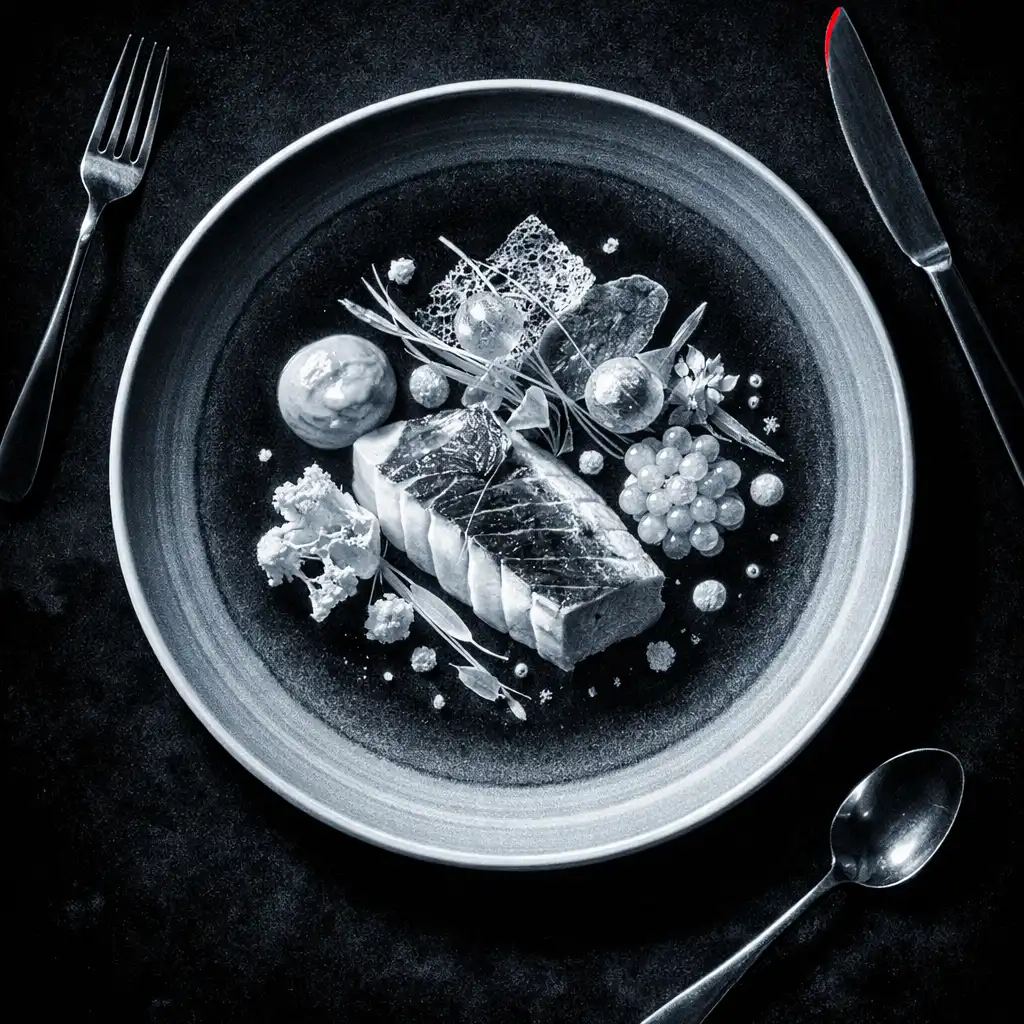
An editorial overhead view of a plated dish with pale contours against a dark stone surface.
03 / X-ray plate study
Editorial imagery for Chef Selections: an intimate plated-dish composition, not a literal representation of a current menu item.

03 / Plate

Composed presentation

Each selection is intended to read clearly at close range. Form, surface, and contrast are part of the experience before the first bite, but they are never asked to replace it. The visual decisions around a plate help orient the eye, make detail available, and give the food a distinct presence on a dark table without turning presentation into spectacle.

Notice the smaller decisions that hold a plate together: the first visual read, the edge of a surface, the way a selection makes space for the plates around it. Those details can quietly connect an individual choice to the larger table.

04 / Editorial orientation

Selection signals

04.1

First arrivals

Opening selections can establish the table’s pace without defining the rest of the meal for everyone. They offer a way to settle in, begin a conversation, and give the room a moment to recede. This is an editorial orientation rather than a live menu: an invitation to think about the first part of dinner as a gentle entrance, not a required course.

04.2

Heat and depth

As the table builds, guests may be drawn toward selections with a warmer, fuller presence. The important idea is composed intensity: choices that feel more settled, more substantial, or more layered without relying on a list of fixed ingredients or methods. It is a shift in character, made to sit naturally within the long, late rhythm of the room.

04.3

Shared centre

Some selections give a group a reason to pause, pass, and return to the middle of the table. That instinct does not mean every plate is made for sharing. It means the table itself remains the central unit of the experience, with room for guests to choose what feels right for their company, appetite, and the moment they are making together.

04.4

Late finish

Later-night choices can function as deliberate closing notes rather than an afterthought. There is room for appetite to change, for the table to slow down, or for the evening simply to extend its own atmosphere. The food remains the focus, while the surrounding late-night character gives guests permission to let the final part of dinner arrive without being rushed.

05 / Kitchen threshold

From pass to table

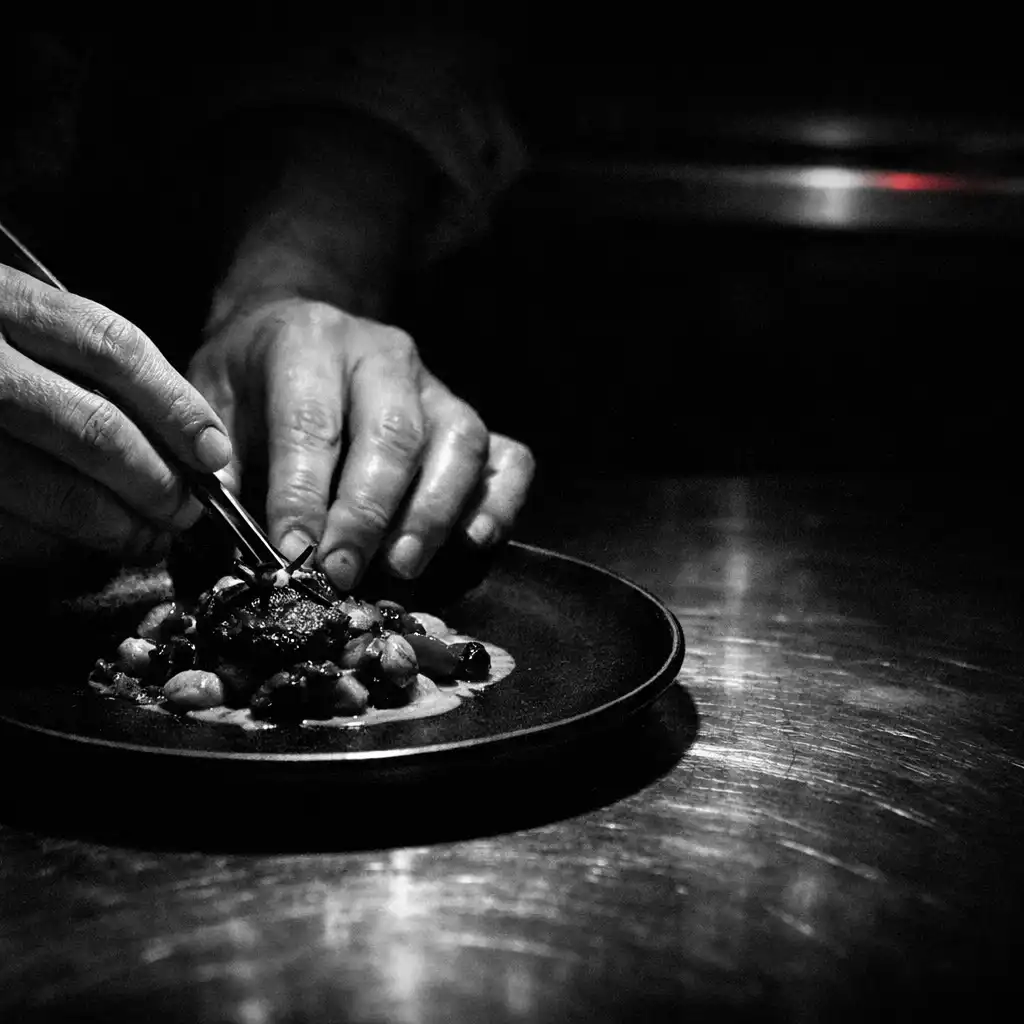
Hands finishing a plate at a dark restaurant pass.
05 / Pass study
Editorial imagery for Chef Selections showing unidentifiable hands finishing a plate in a dark kitchen setting.

05.1 / Attention before arrival

Ready for the table

The final attention around a selection is an act of readiness. Before a plate enters the room, it should feel considered, clear, and prepared to join the table as it is. That is less about claiming a particular procedure than it is about finish: the sense that the food has been given the focus needed to arrive with purpose.

05.2 / Threshold

The pass as a threshold

The pass is a useful way to picture the change between kitchen concentration and the room’s social energy. On one side, attention narrows to detail. On the other, the table becomes active: plates are noticed, conversation resumes, and the selection begins its own part in the evening. The image is a study of that handover, not a claim about a particular kitchen layout.

05.3 / Food stays central

The plate remains the point

TABLE QIRON’s nocturnal atmosphere can frame a meal without replacing it. The selection is still made to be tasted, shared when it suits the table, and remembered for its own presence. The room may be vivid around it, but food remains the reason guests gather, settle in, and make time together.

06 / Table rhythm

How the table builds

06.1 / Enter lightly

Leave room to arrive

A social dinner may begin with selections that create an opening rhythm and leave space for the room, the conversation, and whatever follows. Starting lightly can be useful when guests want to settle in rather than make every decision at once. It is not a promise of a starter course or a required order, simply one way to let the table find its footing.

06.2 / Find the centre

Gather around the middle

The middle of a meal can be where guests lean into choices that invite attention across the table. A group may add something to pass, or each person may follow an individual preference while still sharing the moment. The useful question is not whether every choice is communal, but how the table can feel settled, open, and connected as dinner gathers depth.

06.3 / Stay with the night

Let the table hold

Later in the evening, guests can choose to slow down, add another selection, or simply let the table hold the night a little longer. There is no pressure built into that choice. It is an acknowledgement that a late-night restaurant experience can leave room for a changing appetite, an unfinished conversation, and a meal that finds its own natural close.

07 / Environmental notes

Ingredients of atmosphere

07.1

Low light, clear focus

The room’s darkness is part of its mood, but dining still relies on clear attention at table level. Presentation needs to remain readable, details need to be available, and guests should be able to stay present with what is in front of them. Low light can create focus when it frames the table rather than asking the table to disappear into the atmosphere.

07.2

Sound at the edge

Late-night energy can sit around a meal as a surrounding condition instead of becoming its main event. The table and the conversation remain intact. Food has room to be noticed, and guests can shape their own pace within a venue that feels active beyond its immediate edges. The result is a physical atmosphere that supports attention rather than competing for it.

07.3

A room made for return

A distinct setting can make a meal more memorable because it gives the table a particular sense of place. That does not require a universal reaction or a promise of what every guest will feel. It is simply the meeting of room, plate, and company: a late-night setting that gives a considered selection a context beyond the immediate bite.

Atmosphere is the frame. Chef selections remain the reason guests gather at the table: to notice the plate, share the evening on their own terms, and make dining the centre of the room.

08 / Practical guidance

Dietary conversation

Tell the team early

If you have dietary requirements or allergies, share them when making a dining request and again with the team on arrival. Advance context helps begin the right conversation around the current selection and your needs. Because no single approach suits every requirement, this page does not promise that every request can be accommodated; direct, timely discussion is the most useful place to start.

Ask about current selections

Selections and preparation details may change, so the most reliable guidance comes from a direct conversation about what is currently being offered. This editorial page is designed to explain the dining approach, not to provide fixed composition details or an online ingredient record. Asking the team gives you a clearer basis for planning your meal.

09 / Next movement

Continue the dining line

Bring the Chef Selections perspective into a real evening at TABLE QIRON, at 1847 Queen Street East, Toronto, ON M4L 1G6, Canada. Begin with a dining request when you are ready to consider the table in person.

Make a dining request

For a wider view of the restaurant’s approach before you enquire, continue to Dining.

Explore dining

10 / Different scale

Private tables, different scale

Guests planning a private gathering can continue to the dedicated Private Events page to begin considering a table and occasion at a different scale. It is the appropriate next route when a chef-selection-led evening needs more focused planning, while leaving details of spaces, menus, capacity, and availability to that dedicated conversation.